2-day intro to Permaculture
Chon Buri


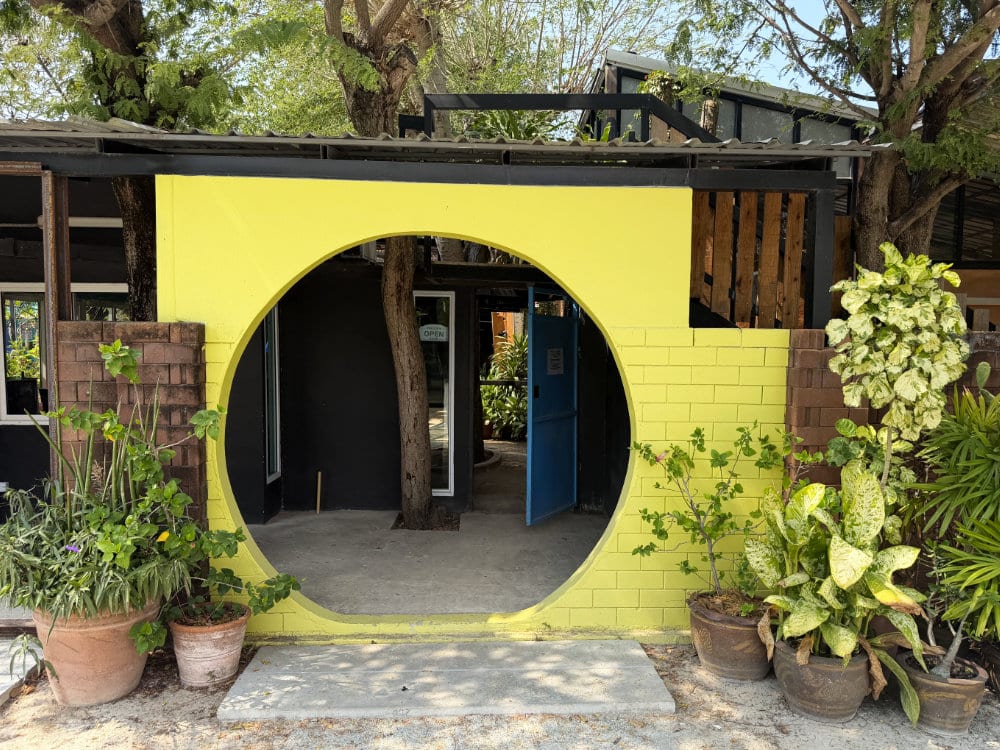
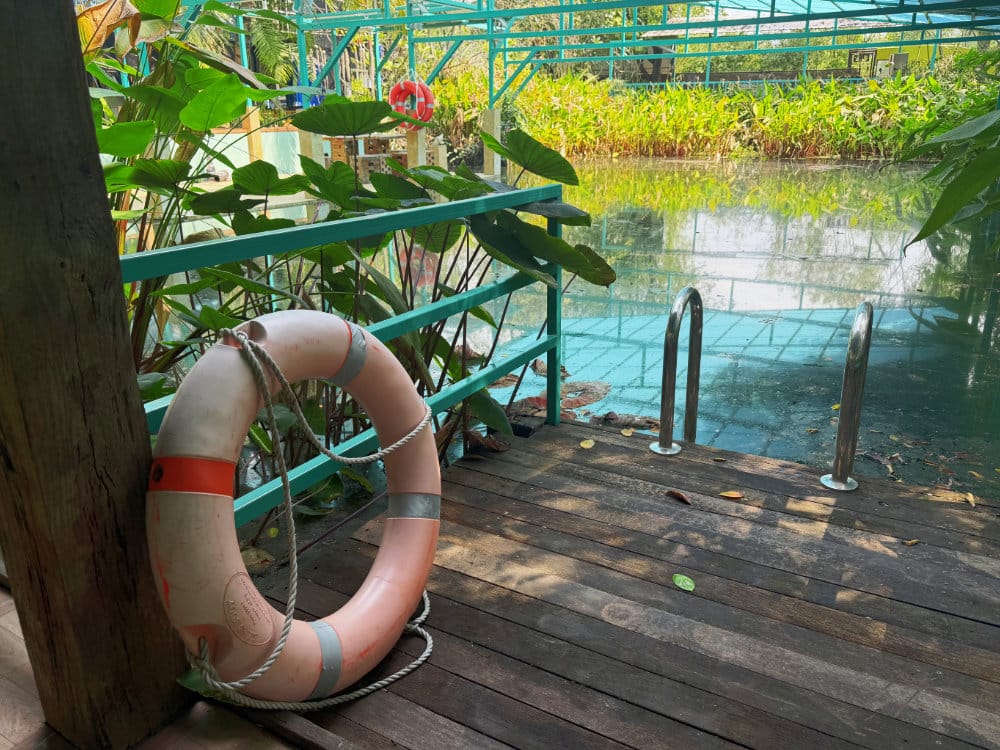

This two-day introduction to permaculture gives newcomers a clear, structured first pass through the way permaculture actually designs a place. It runs on 15 and 16 August 2026 on the Mosaic School campus at Daruma Eco-Farm in Bang Phra, about fifteen minutes from Si Racha and roughly an hour from Bangkok, in Chon Buri province, and it carries the IPC16 badge as one of the edge events leading up to the 16th International Permaculture Convergence in Thailand. The workshop is taught in English with some Thai translation available. Permaculture is a design approach that works with the patterns of nature to build landscapes that are productive, low-input and resilient, and two days is enough to leave with a working mental model of how it is done, so the session suits people who are considering a farm, a garden or a home project and want the design foundations before they commit time and money to the ground.
The programme moves through the core building blocks of permaculture design in a deliberate order. It opens with systems thinking, the habit of looking at a property as a set of connected flows of water, sun, wind, people and waste rather than a list of separate features. From there it works through the three ethics of earth care, people care and fair share, and the twelve design principles that give permaculture its shared language, from observing before acting to catching and storing energy and valuing the margins where two systems meet. The course then moves into bioclimatic design and the invisible structures, meaning the way climate, orientation and the less visible social and economic arrangements shape what will thrive on a site. A session on integrate, don’t segregate looks at how well-placed elements support one another, so that a pond, a hedge or a chicken run each does several jobs at once. The final tools, sector analysis and zoning, are the practical methods designers use to read the sun, wind, water and traffic crossing a site and to place daily-use elements close to the home while lower-attention elements sit further out.
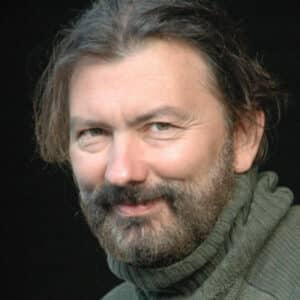
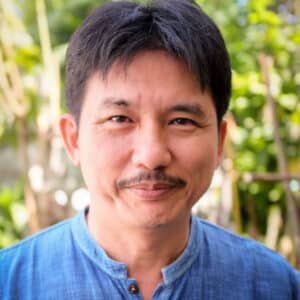
The two presenters bring long experience to a short course. Neil Willmann, who teaches in English, is a physicist and ecological engineering designer who has practised permaculture since the early 1980s and founded Daruma Eco-Farm, a permaculture research and education centre he runs with his wife. Vitoon Panyakul, a founder of the Green Net social enterprise and a long-standing figure in Thailand’s organic agriculture movement, supports the Thai side of the room. Both sit on the coordinating committee for IPC16, so participants are learning from people helping to shape the convergence itself. The setting matters too. The course is held on the Mosaic campus, an alternative school that Neil built on the Daruma land and designed around permaculture principles, so the workshop takes place inside a working demonstration of the ideas rather than in a bare classroom, and participants share the grounds with the school through the day.
The registration fee is 3,000 baht for the two days. The workshop is pitched at beginners and at people who have read about permaculture but never had it explained as a coherent method, and by the end participants have a repeatable design process they can take back to their own land, balcony or garden. Over the two days they get a feel for how a permaculture designer reads a site before drawing anything, and how the same method scales from a single garden bed to a whole property. For many people this is the moment permaculture stops being a set of appealing ideas and becomes a practical way of making decisions about water, shelter, planting and the placement of everything in between. Because it sits within the IPC16 edge-event programme, it also works as an accessible on-ramp for anyone curious about the wider convergence who wants a short, low-commitment taste of permaculture design before deciding whether to go further with a full Permaculture Design Certificate course. Places are best arranged in advance, and prospective participants should confirm the start times and what the fee includes with the organisers when they register.