Panya Forest
Chiang Mai
Features At This Location
Seed-saving refuge and ecovillage on the former Panya Project land, near Mae Taeng, Chiang Mai
Panya, near the village of Ban Mae Jo in the Mae Taeng area of Chiang Mai (around 40 km north of the city), now operates as Panya Forest, a seed-saving refuge and ecovillage on the same roughly ten-acre site, next door to the Pun Pun centre. After funding difficulties during the COVID years, stewardship of the land passed to Ramphai Noikaew and Gregory Pettys, both long-time members of the neighbouring Pun Pun community.
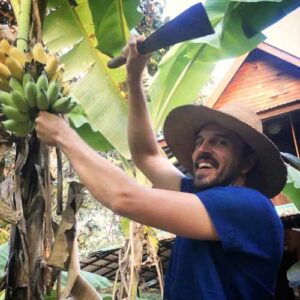
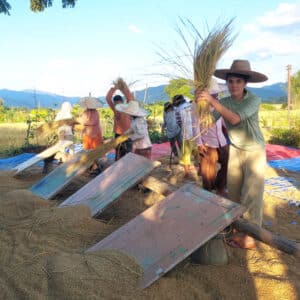
Today the project's focus is saving seeds and keeping endangered cultural and ecological knowledge alive. Alongside the seed work, the community grows organic vegetables and fruit, builds with earth, shares communal meals, and offers a learning space for refugees, displaced young people and others wanting to relearn older ways of living well in a place. The grounds still demonstrate the permaculture and natural-building principles Panya is known for: a food forest, water-harvesting swales and a dam, production gardens, and earthen buildings of adobe, cob and wattle-and-daub.
For many years Panya was one of the better-known hands-on permaculture and natural-building schools in northern Thailand, running Permaculture Design Courses, introductory workshops and internships from its founding (a 2002 proposal by Christian Shearer; the land was bought in 2004). That school era has largely given way to the current seed-refuge work, though the site still hosts courses, building workshops, internships and volunteers through the year. Offerings and dates change, so confirm anything you read about a specific course or visit directly before planning a trip.
How to Get There:
About 40 km north of Chiang Mai, on the edge of Sri Lanna National Park near Ban Mae Jo, next to the Pun Pun centre. Take Highway 107 toward Mae Taeng, then turn off (roughly 3-5 km north of Mae Taeng) onto the road toward Mae Ngat Dam and continue into the Ban Mae Jo village area. Because the final approach is on unmarked dirt roads and signage may now read "Panya Forest" rather than "Panya Project," contact the community ahead for current, detailed directions.
Visiting Policy:
Visits, volunteering and courses are arranged in advance, not drop-in. Panya has historically welcomed visitors midweek and asked volunteers for a minimum stay of about a week, with a contribution covering accommodation and vegetarian meals; longer internships and resident roles have also been offered. Specific visiting days, minimum stays and contributions change from year to year, so contact the community before you plan a trip to confirm what is currently on offer.